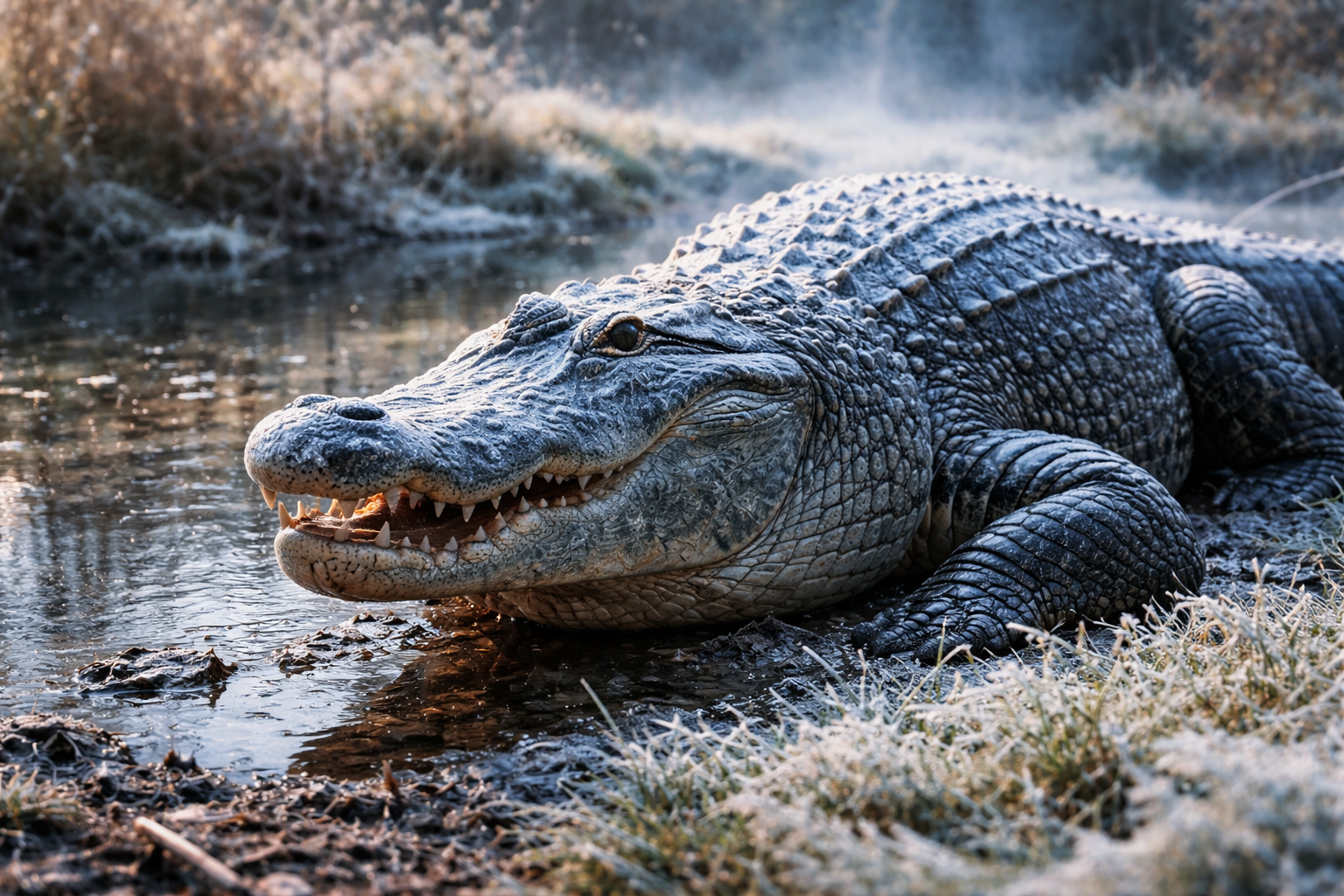
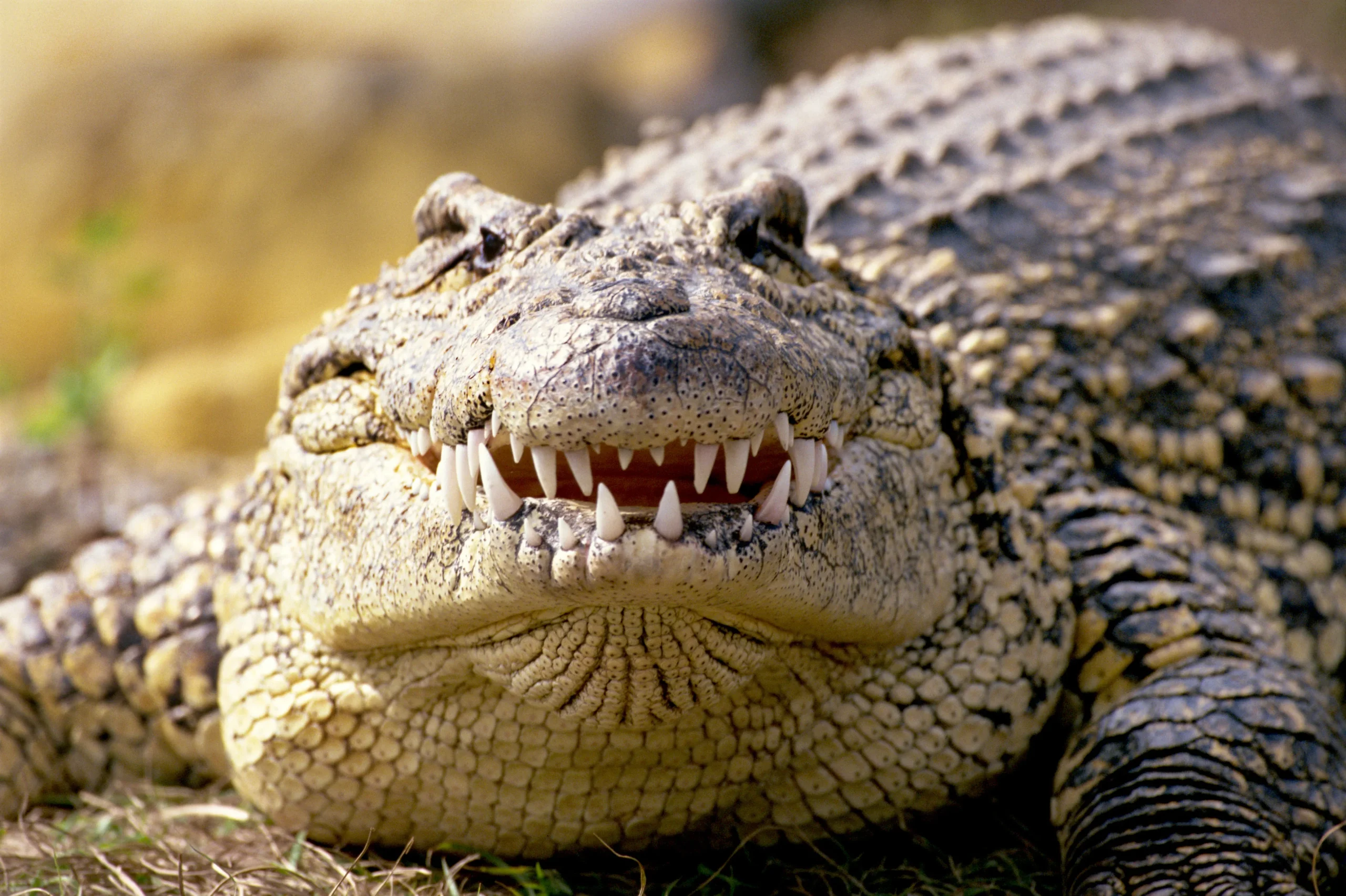
Lola is an Orinoco crocodile (Crocodylus intermedius), one of the rarest crocodile species in the world. This critically endangered crocodile is native to Colombia and Venezuela, where it historically lived throughout the Orinoco River basin. Orinoco crocodiles inhabit tropical lowland regions, including rivers, streams, and freshwater systems near the foothills of the Andes.
The Orinoco crocodile is the largest crocodile species in South America and one of the largest reptiles in the world. Decades of heavy human hunting for their skins caused a dramatic population decline, forcing many remaining individuals into isolated freshwater habitats and placing the species at risk of extinction.
Orinoco crocodiles can live 70 to 80 years. Scientists estimate that only about 250 to 1,000 individuals remain in the wild today, making them one of the most endangered crocodilians on the planet.
Young Orinoco crocodiles face many natural predators, including American black vultures, coatis, tegu lizards, jaguars, and anacondas. Adult Orinoco crocodiles have few natural predators, with humans historically posing the greatest threat to their survival.
Lola represents an incredible and critically important species, and her presence helps raise awareness about conservation efforts working to protect the Orinoco crocodile for future generations.